How Does RAM Work?
What is RAM?
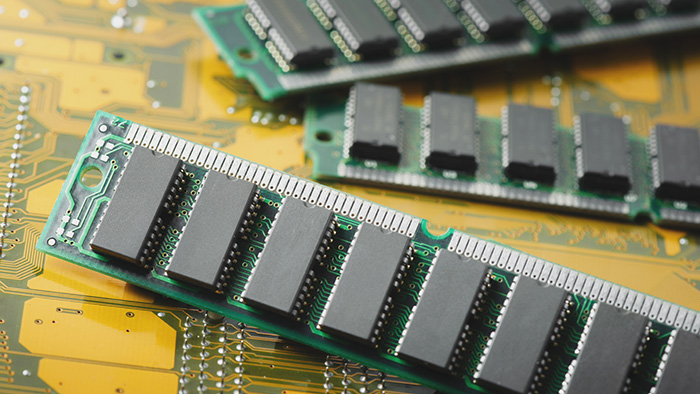
Random Access Memory — Integrated with RAM, the longer it but whenever you use a computer. It holds data and programs, so they can be accessed quickly. Think of it as your computer's active workspace.
The higher the RAM, better your computer will be in doing tasks. Which
results in events being created in a more performant way.
History of RAM
It all started back in the epoch of rammed earth computing. In the beginning computers used sound memory systems. Speed was a little better by magnetic core memory in the 1950s.
The major breakthroughs occurred in the 1960s and 1970s. There were two primary types of RAM that came out; DRAM and SRAM. Nowadays, DRAM is more common but slower and the SRAM is faster but most costly. A lot has happened since that first RAM drive. DDR RAM is the current standard and there slow, DDR has high-speed versions.) Currently, the two newest version of the long-living duo is DDR4 and DDR5 which are faster, ideal for today's apps.
How Does RAM Work?
RAM is the temporary memory of your computer, and it is import for its operation. As you open a program or file, data moves from white storage to Ram. It will cause your computer to perform faster and smoother.
Here's how RAM works:
1. Fast Data Access and Storage
This is then when the fast read and writing of data capabilities of RAM come
to play. It contains records for all active programs. As it is a volatile
memory, all of the data will be deleted when we switch off the (computer or
when restarting).
2. Data Transfer
That is where processor gets instruction and data to process. It uses considerably slower than RAM data transfer speeds, so once you are under heavy load in the game, know that computer has to exchange information between the slightly faster system memory and the somewhat slower storage medium. Speedy RAM does not delay any of the data transfer that takes place leading to performance improvements in daily activities.
3. Loading Data
When you launch a program, only some of its parts are moved to the RAM. This allows the processor to find and implement information faster. For instance, when you open a file in a word processor the application reads data from the file and puts it into memory so that it can be used quickly.
4. Processing
RAM Data is what the processor utilizes for performing tasks. RAM is a good place when a program needs many instructions, the processor can get this information from RAM fast. That is great for tasks that require a lot of processing power, such as gaming or video editing.
5. Multi-tasking
RAM also supports muti-tasking. For instance if you have multiple windows that make up a browser, each window's data is stored in the RAM. This makes it possible for the processor to jump from one task to the other without any interruptions.Practical Example
We have been able to use these software in video editing as one example. Instead of directly reading all video data from the hard drive it takes a comparatively long time, the software loads chunks that can fit in RAM. The data can then be read and written with the processor to make video editing faster and easier to perform.
Main Functions of RAM
- Storing Data: Cache or RAM is used to store data on micro-second basis. This is very important to increase computer's performance and response time.
- Multi-tasking: RAM basically is important for multitasking since several programs can run simultaneously. It makes sure the data to each of the programs is offered, making it possible to achieve the transition of tasks.
- Cache Memory: At times RAM exercises characteristics of being a cache memory. Caches to provide an enhanced form of memory that can help increase the speed with which the processor performs its tasks by storing data that is most often used.
Types of RAM
RAM can be classified into two primary types:
- Static RAM (SRAM): This type is faster and uses less power. They also have more stable operations and are less likely to breakdown. The best suited for those tasks in which the speed is of paramount importance. However, it is expensive and has less storage capacity; therefore, it is not suitable for large systems.
- Dynamic RAM (DRAM): This type is cheaper and can store more information than the other two. In fact, it's the most used by most computers. However, DRAM is the consumer of more power and requires frequent refreshing to maintain the data integrity.
DDR (Double Data Rate) RAM is currently the readiest available RAM today. It has devised into different types including, DDR4 and DDR5 etc. These provide enhanced speed and performance requirements that is today's computing demand.
Final word
All in all, RAM is required in a computer and plays a dramatic role in how we run our activities in the daily life of computing. Knowing its background, purposes and categories will benefit a user when buying or replacing a computer. RAM ‘s functioning speed and results are the main components where your total experience of computing is a must in modern technology. For gaming, video editing, or for running multiple programs at the same time, enough RAM guarantees that your computer will function properly all the time.
Comments
Post a Comment